The Great Personal Style Awakening of 2024
Jennifer Martinez spent four months, $1,847, and approximately 73 hours of Pinterest browsing to discover her authentic personal style. After extensive journaling, meditation, and consultation with three different "style intuitive" TikTok accounts, she finally achieved sartorial enlightenment: she is apparently a "romantic minimalist with dark academia undertones and a touch of Scandinavian hygge."
Coincidentally, this exact aesthetic description can be found in the bio of roughly 2.3 million other women on Instagram, all of whom have also recently discovered their deeply personal, utterly unique fashion identity in the same Target collaboration that launched last Tuesday.
"I've never felt more myself," Jennifer explains, adjusting the $34.99 oversized blazer that 47,000 other women purchased in the first week of release. "This whole outfit just speaks to my soul, you know? It's like the universe conspired to put these exact pieces in my path right when I was ready to embrace my true style identity."
The universe, it seems, has been working overtime at fast fashion headquarters.
The Algorithm of Authenticity
The modern journey to personal style begins not with self-reflection, but with social media algorithms so sophisticated they can predict your "authentic" aesthetic before you've even realized you need one. Jennifer's path to sartorial enlightenment started with a TikTok video titled "Signs You're Ready for Your Personal Style Era," which somehow appeared on her For You page the exact same day Target's new collaboration dropped.
"It was like fate," she marvels, seemingly unaware that 3.7 million other women received the same video at precisely the same moment, courtesy of an advertising campaign so targeted it borders on telepathic.
The signs, according to the video, included "feeling disconnected from your current wardrobe," "wanting to express your true self through clothing," and "being ready to invest in pieces that reflect your values." Roughly 98% of American women between the ages of 22-45 apparently exhibited these symptoms simultaneously, leading to what fashion historians will likely remember as the Great Personal Style Awakening of 2024.
The Paradox of Mass Individualization
The most remarkable aspect of Jennifer's style journey is how her quest for individual expression led her to dress exactly like everyone else who's also on a quest for individual expression. Her "curated" wardrobe now consists entirely of pieces that have been featured in at least 50 "Personal Style Inspiration" TikToks, each promising to help viewers "find their unique aesthetic."
"I'm really drawn to pieces that feel timeless and authentic," Jennifer explains, wearing an outfit that will be featured in approximately 2,847 Instagram posts today alone, all captioned with variations of "finally found my style" and "dressing for myself, not others."
The comments sections of these posts read like a glitch in the matrix: thousands of women congratulating each other on their unique personal style journeys while wearing identical outfits. The cognitive dissonance required to maintain the fiction of individuality while participating in mass consumption has reached Olympic levels.
The Economics of Self-Discovery
Jennifer's personal style awakening came with a detailed budget breakdown that she's documented extensively on her Instagram stories. "Investing in yourself is never a mistake," she captioned a photo of her $347 Sezane cardigan, apparently unaware that 23,000 other women posted the exact same cardigan with the exact same caption within a 48-hour period.
The "investment piece" rhetoric has become the unofficial language of the personal style movement. Every purchase is justified as an investment in authentic self-expression, even when that self-expression looks suspiciously similar to a marketing campaign. Jennifer's "carefully curated" closet now contains:
- Seven "timeless" white button-downs from six different brands ($89-$200 each)
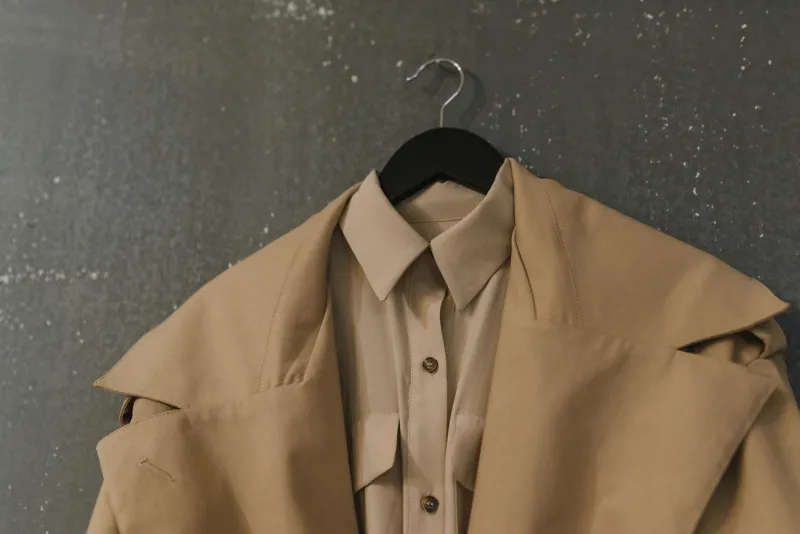
- Four "investment" blazers in varying shades of beige ($150-$400 each)
- Twelve pairs of "perfect" straight-leg jeans ($78-$180 each)
- An assortment of "elevated basics" that cost more than most people's formal wear
"Quality over quantity," she insists, standing in a closet that contains more clothing than most department stores, all purchased within the last six months in the name of "finding herself."
The Influence of Influencer Authenticity
Jennifer's style journey has been carefully guided by a team of "authentic" influencers who've built their brands around helping women discover their personal style. These digital gurus charge between $297-$2,997 for courses with names like "Style Soul Search" and "Authentic Aesthetic Academy," promising to help women break free from trends and find their true fashion identity.
The irony, of course, is that all of these courses lead to the same conclusion: your authentic personal style can be purchased at the intersection of Instagram advertising and disposable income. The "homework" assignments invariably involve creating mood boards from the same pool of Pinterest images, shopping from the same list of "elevated" brands, and developing a "signature" look that's somehow identical to everyone else's signature look.
"My style coach really helped me understand that I'm naturally drawn to neutral tones and classic silhouettes," Jennifer explains, describing an aesthetic preference shared by approximately 78% of millennial women with internet access and credit cards.
The Mythology of the Capsule Wardrobe
No personal style journey is complete without the creation of a "capsule wardrobe"—a mythical collection of perfectly coordinated pieces that work together to create endless outfit possibilities while reflecting your deepest authentic self. Jennifer spent $3,200 building her 47-piece capsule wardrobe, which she insists is "so much more intentional" than her previous approach to getting dressed.
The capsule wardrobe movement has created its own economy of specialized consultants, color analysts, and "style archetype" experts, all charging premium prices to help women achieve the holy grail of fashion: looking effortlessly put-together while spending tremendous effort and money to appear effortless.
"I used to just buy things I liked," Jennifer reflects. "But now I understand that every piece needs to serve a purpose and reflect my personal brand." The fact that her personal brand looks identical to 2.3 million other personal brands seems beside the point.
The Community of Individual Expression
Perhaps the most beautiful aspect of the personal style movement is how it's created communities of women who've all individually discovered the same aesthetic preferences. Jennifer has joined seventeen Facebook groups dedicated to "authentic style," where members share photos of their "unique" outfits and receive validation from other women wearing nearly identical clothing.
"It's so amazing to find other women who share my style vision," she says, scrolling through a feed of indistinguishable beige blazers and white button-downs, each worn by a different woman who's also on her own personal style journey.
The groups function as support systems for the cognitive dissonance required to maintain belief in individual expression while participating in mass consumption. Members regularly congratulate each other on their "brave" choice to "dress for themselves," apparently unaware that they're all dressing for the same algorithmic vision of what "dressing for yourself" looks like.
The Future of Personal Style
As Jennifer continues to refine her authentic aesthetic (which coincidentally aligns perfectly with next season's predicted trends), one has to wonder what the future holds for the personal style movement. Will we eventually reach peak individualization, where everyone's unique personal brand becomes so similar that the illusion finally collapses? Or will the fashion industry simply create new categories of authenticity to purchase?
For now, Jennifer remains blissfully unaware of the paradox she's living. "I finally feel like I'm dressing like myself," she says, adjusting her $200 "investment" sweater that 47,000 other women are also wearing to express their individual authenticity.
In a world where self-discovery has become a retail category and personal expression comes with a price tag, perhaps the most authentic thing anyone could do is admit that sometimes we just want to look like everyone else—and that's perfectly fine too. But that realization probably won't fit in an Instagram caption or sell any courses, so we'll continue to pretend that our journey to authenticity just happens to lead straight through the checkout line.
The real personal style, it turns out, was the credit card debt we made along the way.