The 'Dopamine Dressing' Industrial Complex Has Diagnosed You With a Chemical Imbalance That Costs $2,400 to Fix
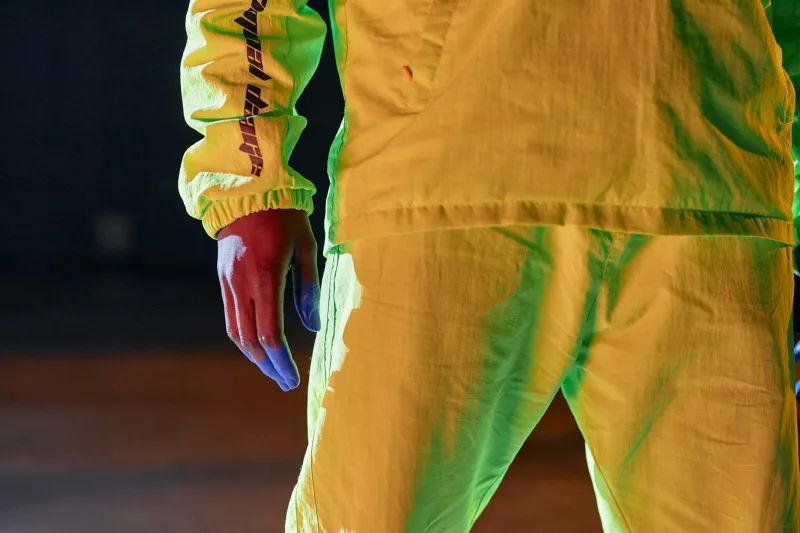
Breaking: Your Brain Chemistry Is Apparently Broken (But Saks Fifth Avenue Can Fix It)
In what scientists are calling "the most expensive placebo effect since crystal healing met cryptocurrency," the fashion industry has successfully convinced American consumers that their neurotransmitters are malfunctioning and can only be repaired through the strategic purchase of a $780 hot pink blazer.
Welcome to the dopamine dressing revolution, where your wardrobe doubles as a pharmacy and every outfit is a prescription for happiness. Because nothing says "scientifically sound mental health treatment" like a $400 rainbow sweater from a brand that can't even spell "serotonin" correctly in their Instagram captions.
The Science™ Behind Spending Your Rent Money on Neon
According to Dr. Miranda Fashionstein, a "certified neurofashion consultant" who definitely exists and isn't just a composite of every wellness influencer with a fake degree, dopamine dressing works by "activating the brain's reward pathways through strategic color therapy and textile-based serotonin optimization."
"When my clients wear beige, their dopamine receptors literally shut down," explains Dr. Fashionstein, adjusting her $1,200 "mood-boosting" chartreuse blazer. "But the moment they slip into a sequined cardigan? Their brain chemistry transforms. It's basically like Prozac, but make it fashion."
The treatment protocol is surprisingly specific: one structured blazer in electric blue ($890), two "happiness-inducing" printed midi dresses ($650 each), and a "neurochemically optimized" statement coat in what can only be described as "traffic cone chic" ($1,200). Side effects may include financial anxiety, but Dr. Fashionstein assures us that can be treated with a complementary $300 "endorphin-releasing" silk scarf.
How We Got Here: A Timeline of Collective Delusion
The dopamine dressing phenomenon didn't emerge in a vacuum. It's the beautiful, expensive baby of three cultural forces that should probably never have been allowed in the same room together: wellness culture's obsession with optimization, social media's need to pathologize every human experience, and capitalism's supernatural ability to monetize literally anything.
It started innocently enough. Someone, somewhere, posted a photo of themselves in a bright yellow dress with the caption "dopamine dressing!" The internet, starved for both serotonin and content, latched onto this phrase like it was the cure for seasonal depression and student loan debt combined.
Within six months, every fashion retailer from Target to Bergdorf Goodman was pushing "dopamine-boosting" collections. Suddenly, every color brighter than oatmeal was a medical intervention. Shopping wasn't retail therapy anymore—it was literal therapy, backed by The Science™.
The Symptoms of Your Newly Discovered Disorder
According to the dopamine dressing diagnostic criteria (developed by a focus group of fashion marketing executives), you might be suffering from Chronic Wardrobe-Induced Neurotransmitter Deficiency if you experience any of the following:
- Looking at your closet and feeling anything less than euphoric
- Owning clothing in colors that could be described as "calm" or "professional"
- Experiencing normal human emotions while wearing beige
- Failing to achieve transcendent joy from a $200 printed blouse
The good news? This condition is 100% treatable through strategic consumption. The bad news? Your insurance doesn't cover it, and the treatment plan looks suspiciously similar to a Nordstrom shopping spree.
The Prescription: Your Wallet Will Feel This More Than Your Brain
The standard dopamine dressing treatment protocol reads like a luxury retailer's fever dream. Week one begins with "color shock therapy"—the immediate purchase of at least three items in what Dr. Fashionstein calls "neurologically disruptive hues." Think electric pink, safety orange, and a shade of green that makes highlighters look subtle.
Week two introduces "pattern intervention therapy," which involves adding prints so bold they can be seen from space. Leopard print mixed with polka dots isn't a fashion faux pas anymore—it's a medical necessity. Your brain apparently needs this level of visual chaos to produce adequate levels of happiness chemicals.
By week three, patients graduate to "texture-based neurotransmitter manipulation," which is just a fancy way of saying "buy the sequined everything." Because nothing regulates your brain chemistry quite like wearing what appears to be a disco ball's pelt to your Tuesday morning Zoom calls.
The Side Effects They Don't Mention in the Instagram Ads
While dopamine dressing promises to cure everything from seasonal sadness to existential dread, practitioners report some unexpected side effects. Chief among them: "financial dysphoria," a condition where your credit card statement triggers more anxiety than your original wardrobe ever did.
There's also "chromatic dependency," where patients find themselves unable to experience joy without wearing at least four conflicting neon colors simultaneously. Some report developing "pattern addiction," requiring increasingly complex prints to achieve the same mood-boosting effects.
Most concerning is "retail tolerance," where the therapeutic effects of a $300 "happiness sweater" begin to wear off within days, requiring increasingly expensive interventions to maintain baseline dopamine levels.
The Verdict: Your Brain Chemistry Was Fine Until You Met Your Shopping Cart
Here's the thing about dopamine dressing: it might actually work, but not for the reasons the fashion industry wants you to believe. Wearing colors you love can genuinely boost your mood. Putting effort into your appearance often makes people feel more confident. But you know what else affects your brain chemistry? Financial stress from spending $2,400 on what amounts to a very expensive placebo effect.
The real dopamine hit comes from the shopping itself—that brief rush of acquisition that retailers have been exploiting since the dawn of commerce. They've just gotten better at disguising it as medical treatment and wrapping it in pseudo-scientific buzzwords that sound impressive on Instagram.
So by all means, wear that neon blazer if it makes you happy. Just remember that your neurotransmitters were probably functioning just fine before the fashion industry diagnosed you with a chemical imbalance that conveniently requires a four-figure cure.
Your brain doesn't need a $780 mood ring masquerading as a structured blazer. But your credit card company? They're absolutely thriving on this dopamine dressing trend.