When Shopping Becomes Performance Art
Kimberly Walsh thought she was just buying mascara. She'd driven forty-five minutes to the Nordstrom in Cherry Creek, wearing her nicest jeans (the ones without visible stains) and a sweater that cost more than her phone bill. But as she approached the cosmetics counter, a woman in head-to-toe beige intercepted her with the kind of smile that costs extra.
"Hi gorgeous! I'm Serenity, the store's Experiential Energy Curator," the woman chirped, clipboard in hand. "Before you begin your shopping journey, I need to do a quick vibe assessment. Can you tell me what emotional chapter you're currently living in?"
Kimberly blinked. "I... just want mascara?"
"Mmm," Serenity hummed, making notes. "I'm sensing some resistance to the transformational retail experience. Unfortunately, your energy signature isn't quite aligned with our brand's current wellness trajectory. I'm going to have to ask you to try CVS instead."
And just like that, Kimberly Walsh became the first documented victim of America's newest retail innovation: the Vibe Bouncer.
The Science of Aesthetic Exclusion
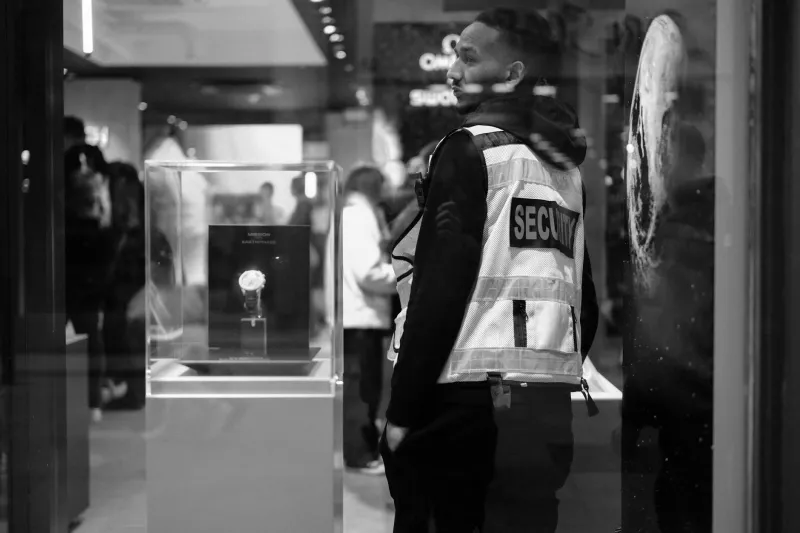
Across the country, luxury department stores are quietly implementing what they call "Experiential Access Curation"—essentially hiring bouncers who reject customers based on vibes instead of fake IDs. These aren't your typical security guards checking for shoplifters; these are certified lifestyle consultants with the power to determine whether your aura is worthy of overpriced handbags.
"Traditional retail is dead," explains Maximilian Kensington-Price, a brand consultant who definitely made up that hyphenated surname. "Today's consumer doesn't want to shop—they want to be chosen. Exclusion is the ultimate form of customer care. We're protecting our clientele from energy pollution."
The concept reportedly emerged from a Soho House focus group where members complained that "anyone can just walk into Bergdorf's now." Within six months, major retailers had quietly begun training staff to identify and redirect customers whose "aesthetic DNA" didn't match the store's "intentional luxury ecosystem."
Meet the Gatekeepers
Serenity Rodriguez (she legally changed her last name from Martinez because it "carries more spiritual weight") has been curating vibes at Nordstrom for eight months. Her qualifications include a weekend certification in "Intuitive Retail Psychology" and an Instagram following of 12,000 people who watch her rate strangers' outfits.
"It's not about money," she insists, straightening her $300 white t-shirt that looks identical to the $8 version at Target. "It's about energy alignment. Yesterday, I had to redirect a woman wearing a Chanel bag because her shoes were giving off 'desperate energy.' The bag was real, but her spirit was counterfeit."
The training process involves a two-day intensive where new hires learn to identify "energy red flags": visible logos ("trying too hard"), practical shoes ("fear of commitment to beauty"), and shopping lists ("transactional mindset incompatible with experiential luxury").
The Rejection Experience
Linda Chen, a pediatric surgeon, was turned away from Saks Fifth Avenue because her scrubs "projected workplace trauma into the sacred shopping space." She'd stopped by after a twelve-hour shift, hoping to buy her daughter a birthday gift.
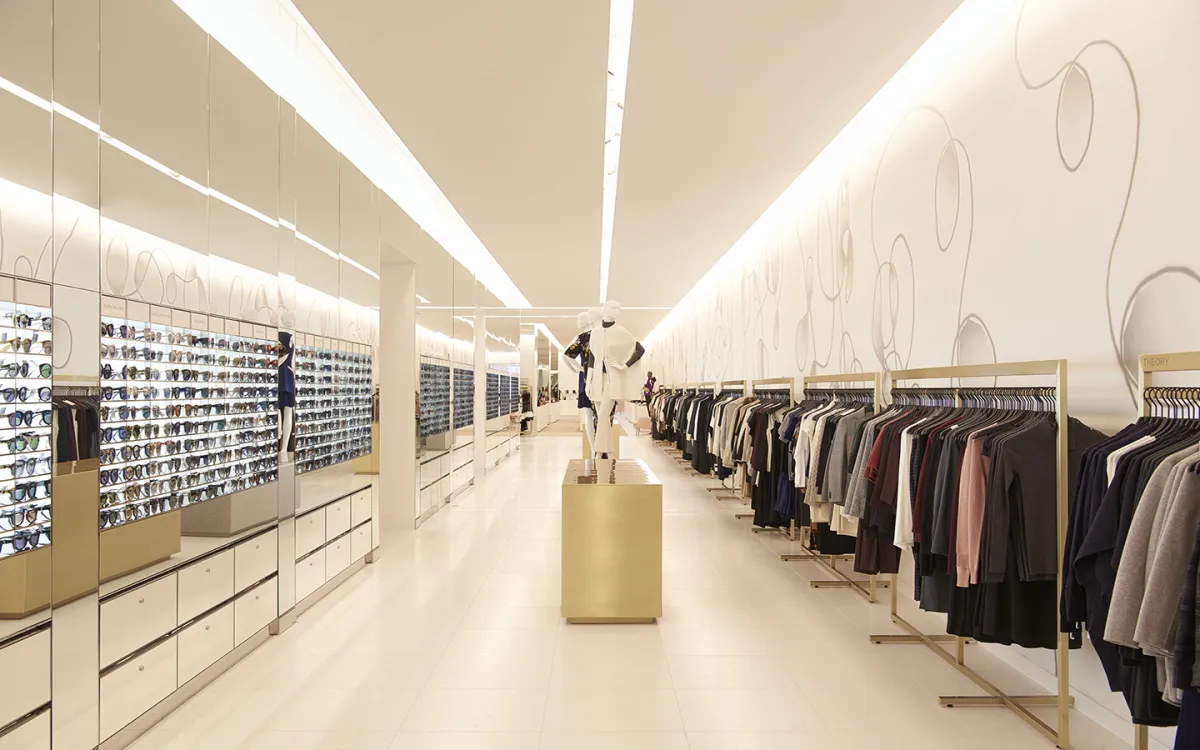 Photo: Saks Fifth Avenue, via foundassociates.com
"The woman told me I needed to 'energetically cleanse' before I could enter," Linda recalls. "She recommended I go home, take a bath with Himalayan sea salt, and return wearing 'intention-setting neutrals.' I asked if she was joking. She was not joking."
The vibe bouncers carry official rejection cards with suggested alternatives. Common redirections include:
- "Your energy reads very Target. Have you considered Target?"
- "I'm sensing some Costco trauma. Perhaps begin your healing journey at Whole Foods."
- "Your aura is giving 'practical mother.' Try again after a spiritual shopping detox."
The Economics of Exclusion
Surprisingly, the vibe bouncer system appears to be working. Stores report that customers who pass the initial screening spend 340% more than traditional shoppers. The rejection itself has become a luxury experience—some customers return multiple times, desperate to achieve "vibe approval."
"Being rejected by Bergdorf's is now a status symbol," explains retail anthropologist Dr. Sarah Martinez (no relation to Serenity). "Women are hiring personal stylists specifically to help them fail the vibe check more elegantly. It's rejection as aspiration."
Entrepreneur Madison Harper launched "Vibe Check Prep" courses, charging $800 to teach clients how to embody "effortless luxury energy." Her most popular package includes meditation sessions, posture coaching, and practice sessions where students attempt to radiate "generational wealth" while buying chapstick.
The Resistance Movement
Not everyone is embracing aesthetic authoritarianism. A group of rejected shoppers has formed "Normcore Resistance," staging protests where members wear aggressively normal clothes and attempt to shop for basic necessities.
"I was denied entry to buy socks," says protest organizer Janet Williams. "The bouncer told me my 'practical energy' was disrupting their 'luxury meditation space.' These are socks. They go on feet. There's nothing to meditate about."
The protesters' most successful tactic involves traveling in groups of suburban mothers wearing identical Target cardigans, overwhelming the vibe assessment system through sheer numerical normalcy.
The Future of Feeling Fancy
The success of retail vibe bouncers has inspired expansion into other industries. Restaurants are hiring "Dining Energy Consultants" to ensure patrons' auras complement the tasting menu. One Manhattan establishment reportedly rejected a customer because his "Monday energy" clashed with their "weekend brunch frequency."
Real estate agents are beginning to offer "Home Viewing Vibe Assessments," determining whether potential buyers' energy aligns with a property's "architectural intention." One couple was told their combined aura was "too suburban" for a downtown loft, despite having pre-approval for the full asking price.
The Bottom Line
Back at Nordstrom, Serenity continues her important work of protecting luxury retail from the energy pollution of regular humans trying to buy things with money. She's particularly proud of yesterday's achievement: rejecting a billionaire tech CEO because his hoodie "lacked intentionality."
"Money can't buy good vibes," she explains, apparently unaware that her entire job exists because money definitely can buy the right to exclude people based on imaginary energy readings. "My gift is helping people understand that they're not ready for this level of luxury consciousness."
Kimberly Walsh, meanwhile, found perfectly good mascara at CVS for a third of the price. Her energy signature, it turns out, aligns beautifully with functional capitalism and reasonable prices. Who knew that was even an option?