Virtue Signaling Goes Viral: The 'No Buy Year' Queen Just Dropped 47 Items and Her Followers Are Having a Moment
The Plot Twist Nobody Saw Coming (Except Everyone)
Meet Madison Clearwater, the 28-year-old lifestyle influencer who spent an entire year telling her 847K followers why buying things was basically the root of all evil. Armed with a ring light and an unshakeable belief in her own moral superiority, Madison documented every tempting Target run she didn't take, every Amazon cart she abandoned, and every moment of consumer enlightenment that brought her closer to her "authentic self."
Then she launched "Intentional by Madison" — a 47-piece capsule collection that costs more than most people's monthly rent.
The cognitive dissonance is so thick you could cut it with one of her $127 "ethically sourced" butter knives.
Breaking Down the Mathematics of Hypocrisy
Let's do some quick math. Madison's "no buy year" allegedly saved her $12,000, which she documented in monthly Instagram stories complete with pie charts and motivational quotes about finding joy in simplicity. Her new collection? The full capsule rings in at $4,847. For comparison, that's roughly what a decent used Honda Civic costs, or what most Americans spend on groceries in four months.
But here's where it gets truly unhinged: Madison is positioning this collection as the "antidote to fast fashion" and the "only wardrobe you'll ever need." Apparently, the solution to overconsumption is... different consumption. At premium prices. With her face on the hang tags.
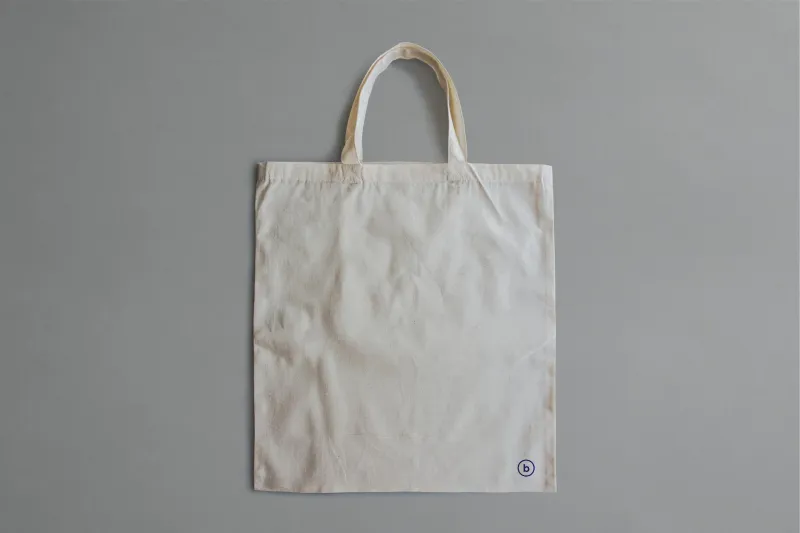
The collection includes such "essentials" as a $189 white t-shirt ("crafted with intention"), a $267 pair of jeans ("designed to transcend trends"), and a $89 tote bag that literally says "Less Is More" in a font that looks like it was designed by someone having an existential crisis.
The Comments Section Has Entered the Chat
Madison's followers are experiencing what psychologists might call "cognitive whiplash," and the comment section on her launch post reads like a support group for the financially manipulated.
"Wait, didn't you just spend a year telling us NOT to buy things?" asks @SarahSpends2Much, capturing the collective confusion.
"I feel personally attacked by this $89 tote bag," writes @BrokeButWoke. "I could get the same message tattooed on my forehead for less money."
But the real drama? Half her followers are defending the collection with the fervor of people who've invested too much emotional energy to admit they've been played. "You don't understand," explains @MindfulMaven23. "This isn't shopping. This is investing in intentional living."
Sure, Jan.
The Wellness-to-Commerce Pipeline
Madison's trajectory follows a well-established influencer playbook: Build an audience through restriction, then monetize their devotion through expensive "solutions." It's the same formula that turns meditation apps into $200-a-month subscription services and transforms juice cleanses into lifestyle brands.
The genius lies in the framing. Madison isn't selling products — she's selling "values." She's not asking you to consume — she's inviting you to "invest in your future self." The $189 white t-shirt isn't overpriced cotton — it's a "commitment to quality over quantity."
It's marketing so sophisticated it makes traditional advertising look like cave paintings.
Plot Twist: The Font Controversy
Perhaps the most telling detail in this entire saga? Madison's followers seem more outraged by the typography choices on her tote bags than the fundamental betrayal of her no-buy philosophy. The Instagram comments are flooded with design critiques and font recommendations, while the broader irony sails over everyone's heads like a $267 pair of "transcendent" jeans.
"The font looks like Comic Sans had a midlife crisis," observes @DesignDiva2024, somehow missing the bigger picture entirely.
The Sustainable Capitalism Paradox
Madison's collection represents the ultimate evolution of "conscious capitalism" — the idea that you can shop your way to enlightenment as long as the products are expensive enough and the marketing copy includes enough buzzwords about intention and mindfulness.
Every item comes with a "story" about its creation, complete with details about the "artisans" involved and the "sustainable practices" employed. The $127 butter knife? "Hand-forged by third-generation craftspeople using techniques passed down through generations." It's still just a knife, but now it has a backstory and a carbon footprint analysis.
The Inevitable Sequel
If Madison's trajectory follows typical influencer physics, we can expect "No Buy Year 2.0" to launch approximately six months after her collection sells out. Because nothing says "I've learned from my mistakes" like doubling down on the same mistake with better branding.
The real question isn't whether Madison's followers will buy her products — some already have, judging by the "sold out" notifications appearing across her collection. The question is whether anyone will remember this moment of peak irony when she inevitably launches her next virtue-signaling campaign.
Spoiler alert: They won't. Because in the attention economy, yesterday's hypocrisy is just today's content opportunity.
The Bottom Line
Madison Clearwater has achieved something truly remarkable: She's turned self-denial into a luxury brand. In an economy where authenticity is the ultimate currency, she's managed to monetize her own moral superiority while somehow maintaining her audience's trust.
It's capitalism at its most absurd, wrapped in the language of mindfulness and priced like a small car. And honestly? We're almost impressed by the audacity.
Almost.