Denim Disciples Are Refusing to Wash Their $400 Jeans for 18 Months and Calling It 'Character Development'
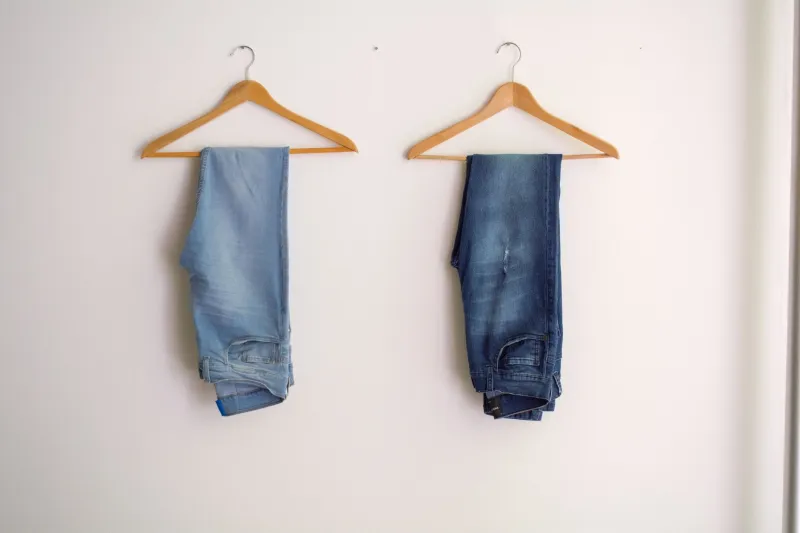
The Holy Grail of Not Washing Your Clothes
In a world where Marie Kondo convinced millions to throw away perfectly good belongings, there exists a parallel universe where grown adults spend $400 on a pair of jeans and then refuse to wash them for a year and a half. Welcome to the raw denim community, where the phrase "breaking them in" has taken on the spiritual weight of a religious pilgrimage, and comparing thigh fade patterns is considered sophisticated discourse.
 Photo: Marie Kondo, via www.gagnetonargent.com
These aren't your average Levi's from Target. We're talking about selvedge denim crafted by Japanese artisans who apparently learned their trade from monks, priced like luxury handbags, and treated with the reverence typically reserved for newborn babies or sourdough starters. The raw denim faithful will tell you, with the intensity of someone explaining cryptocurrency to their grandmother, that washing jeans is basically sacrilege.
The Science of Strategic Neglect
The raw denim community has developed an entire mythology around the "fading process." According to the gospel of unwashed pants, each crease, each whisker, each barely perceptible color shift tells the story of your life. It's like a denim diary, if diaries cost more than most people's monthly grocery budget and smelled like a college dorm room after finals week.
Dedicated enthusiasts document their jeans' evolution with the meticulousness of scientists tracking climate change. They post progress photos on forums with names like "fade Friday" and "evolution pics," comparing notes on "sick fades" and "gnarly honeycombs" like wine connoisseurs discussing terroir. The terminology alone requires a decoder ring: "train tracks," "stacks," "whiskers," and "combs" aren't just words anymore—they're lifestyle descriptors.
The $400 Commitment Ceremony
Purchasing raw denim isn't shopping; it's entering into a relationship. These jeans come with care instructions that read more like wedding vows: for better or worse, in sickness and health, until fade do us part. The recommended break-in period ranges from six months to two years, during which washing is strictly forbidden. Some devotees go even further, treating their jeans like vintage wine that improves with age and neglect.
The community has developed an entire support system around this commitment. Online forums buzz with encouragement for members struggling with the "no-wash challenge." There are progress check-ins, fade contests, and detailed guides on how to spot-clean without compromising the "integrity" of the fade. It's like Alcoholics Anonymous, but for people addicted to not washing their pants.
The Fade Contest Industrial Complex
What started as a niche hobby has evolved into a full-blown competitive sport. Fade contests offer prize money for the most dramatic transformation, turning jean-wearing into performance art. Participants submit before-and-after photos with the pride of parents posting kindergarten graduation pictures, except these "achievements" cost more than a semester of actual kindergarten.
Judges evaluate entries based on criteria that sound like they were invented by fashion students having a fever dream: contrast, definition, character, and something called "overall fade quality." Winners receive recognition in the raw denim hall of fame and bragging rights that apparently justify spending rent money on pants you're not allowed to clean.
The Philosophy of Unwashed Enlightenment
Raw denim enthusiasts have elevated their hobby into a lifestyle philosophy. They speak of their jeans developing "character" and "personality" through wear, as if denim has consciousness. The community preaches patience, dedication, and the beauty of slow fashion, which sounds noble until you realize they're talking about spending hundreds of dollars to essentially wear the same dirty pants every day for 18 months.
The movement has attracted followers who see raw denim as a rejection of fast fashion and disposable culture. They're not wrong about the environmental benefits of buying fewer, higher-quality items. But somewhere between "sustainable fashion" and "I haven't washed these pants since the Obama administration," the message got a little muddled.
The Great Wash Debate
Even within the raw denim community, there are schisms that would make religious reformers proud. Orthodox practitioners maintain that any washing before the six-month minimum is heresy. Progressive members argue that occasional gentle hand-washing is acceptable. The most radical faction suggests that machine washing after a year might not end civilization as we know it.
These debates rage across forums with the intensity of political discourse, complete with scientific studies, anecdotal evidence, and personal testimonials. Members share horror stories of premature washing like cautionary tales, warning newcomers about the devastating consequences of soap and water contact.
The Economics of Expensive Neglect
The raw denim market has grown into a multi-billion dollar industry built entirely on the premise that the best thing you can do with your expensive purchase is absolutely nothing. Brands charge premium prices for the privilege of receiving unwashed, untreated denim that requires months of personal investment to achieve its "full potential."
Retailers have embraced this model with enthusiasm typically reserved for discovering oil. They've created an entire ecosystem of complementary products: special hangers for proper storage, leather patches for repair, and books about denim philosophy. It's capitalism at its most creative—convincing consumers that the hard work is part of the luxury experience.
The Future of Fashionable Neglect
As the raw denim movement continues to grow, it raises profound questions about modern consumer culture. In an age of instant gratification, these denim disciples have found meaning in delayed satisfaction. They've created community around shared commitment to a product that demands patience, dedication, and a strong tolerance for your own smell.
Whether this represents a return to more mindful consumption or simply the most expensive way to avoid doing laundry remains to be seen. But one thing is certain: somewhere in America right now, someone is paying $400 for the privilege of wearing dirty pants, and they couldn't be happier about it.