Luxury Spas Are Charging $2,800 to Cure Rich Women's 'Choice Fatigue' by Locking Away Their Suitcases
The Cure for Having Too Much Money
In the annals of first-world problems, a new champion has emerged: wealthy women so overwhelmed by their extensive wardrobes that they're paying luxury resorts $2,800 to take their clothes away. Welcome to the "Fashion Detox Retreat," where the solution to having too many designer options is spending more money to have no options at all.
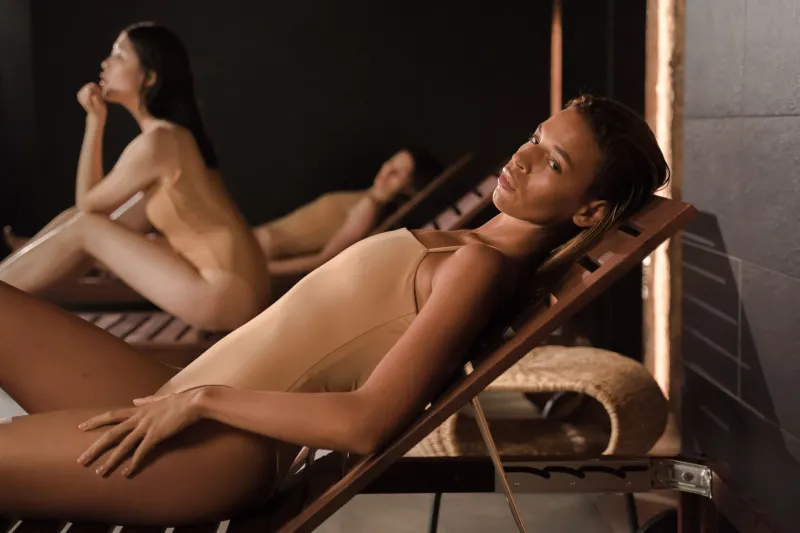
These aren't your typical spa weekends. Upon arrival at locations with names like "The Sanctuary of Simple" and "Mindful Minimalism Manor," guests surrender their luggage like contraband at airport security. In return, they receive a week's worth of identical linen jumpsuits in what the brochures diplomatically call "earth tones" but what most humans would recognize as "expensive beige."
The Science of Sartorial Suffering
According to the retreat facilitators—who hold degrees in everything from psychology to "intuitive styling"—choice fatigue is a serious condition plaguing America's most privileged women. The symptoms, they claim, include standing in walk-in closets for upwards of thirty minutes, experiencing anxiety when faced with multiple shoe options, and the devastating inability to choose between seventeen different black blazers.
Dr. Miranda Whitfield, founder of the Curated Consciousness Center in Malibu, explains the treatment philosophy: "When you remove the burden of choice, you free the mind to focus on higher pursuits." Those higher pursuits, according to the daily schedule, include meditation on "the violence of variety," journaling about "outfit trauma," and group therapy sessions where women share their most painful shopping experiences.
 Photo: Dr. Miranda Whitfield, via omgnepal.com
The Uniform Solution
The retreat's signature element is the "capsule experience"—five days wearing identical outfits designed by someone else. The jumpsuits, crafted from organic linen that costs more per yard than most people spend on entire outfits, represent the ultimate in curated simplicity. Guests receive three identical pieces: one to wear, one being laundered, and one for "emergencies" (though what constitutes a linen jumpsuit emergency remains unclear).
The psychological impact, according to testimonials, is profound. "I didn't realize how much mental energy I was spending on getting dressed," reports Patricia Vandenberg, a hedge fund wife from Greenwich. "When that choice was removed, I could finally focus on important things, like whether my meditation cushion was the right shade of chakra purple."
The Economics of Enforced Simplicity
The retreat industry has discovered that wealthy women will pay premium prices to experience what most Americans call "having a school uniform." The $2,800 fee covers accommodation, meals, and the psychological relief of not having to coordinate accessories. What it doesn't cover, somewhat surprisingly, is keeping the jumpsuit—that's an additional $400 "investment in mindful living."
Retreat centers have partnered with luxury brands to create exclusive "detox collections." These aren't just any beige jumpsuits; they're $400 beige jumpsuits with special "intention-setting" labels and care instructions that read like meditation mantras. The markup on enforced simplicity, it turns out, is extraordinary.
The Hierarchy of Healing
Not all fashion detox retreats are created equal. The basic package offers the jumpsuit experience with standard group therapy. The premium tier includes private sessions with "wardrobe trauma specialists" and something called "closet archaeology," where professionals analyze your shopping patterns like behavioral scientists studying lab rats.
The ultra-luxury option features one-on-one sessions with former fashion editors who've found enlightenment in minimalism. These reformed maximalists guide clients through "style shadow work," helping them confront the psychological roots of their need for seventeen different white t-shirts. The irony of paying someone who used to promote consumption to teach you about anti-consumption is apparently lost on everyone involved.
The Paradox of Expensive Simplicity
The fashion detox movement represents peak cognitive dissonance: spending thousands of dollars to learn that spending money on clothes is spiritually harmful. Retreat facilitators address this contradiction with the kind of mental gymnastics typically reserved for explaining cryptocurrency to confused relatives.
"Investment in consciousness-raising is different from material consumption," explains lifestyle coach Serenity Richardson, whose own wardrobe apparently consists of seventeen identical white tunics that cost $300 each. "We're not buying things; we're buying freedom from things." The fact that this freedom costs more than most people's annual clothing budget is, according to Serenity, "part of the healing process."
The Support Group Industrial Complex
Post-retreat, participants join exclusive online communities where they share their "uniform journeys" and support each other through "choice relapses." These digital support groups function like Alcoholics Anonymous for people addicted to having options, with members celebrating milestones like "30 days wearing the same dress" and "survived a department store without buying anything."
The communities offer ongoing services including virtual closet audits, monthly "simplicity check-ins," and emergency hotlines for fashion crises. Premium memberships include access to "choice coaches" who can talk you through difficult moments, like walking past a Nordstrom sale or receiving a Saks catalog in the mail.
The Ripple Effect
The success of fashion detox retreats has inspired adjacent industries. Personal shoppers now offer "un-shopping" services, charging clients to remove items from their wardrobes. Interior designers specialize in "minimalist luxury," creating $50,000 closets designed to hold as few items as possible. Even fashion magazines have launched "anti-fashion" issues celebrating the beauty of wearing the same thing every day.
Luxury brands, never ones to miss a trend, have begun marketing "uniform collections" to women seeking "effortless consistency." These collections typically consist of five identical pieces in slightly different shades of beige, priced as if each item were a rare artifact rather than mass-produced clothing.
The Philosophy of Fashionable Suffering
Retreat leaders frame the fashion detox experience as a return to authentic living, away from the corrupting influence of choice and variety. They speak of pre-industrial times when people owned few clothes and were, presumably, happier for it. This romanticized view of historical poverty, delivered to women wearing $400 jumpsuits in $500-per-night accommodations, requires a special kind of willful ignorance.
The movement's literature is filled with quotes from philosophers and spiritual leaders about the burden of material possessions, conveniently ignoring that most of these wisdom traditions also cautioned against spending thousands of dollars to learn lessons that could be gleaned from reading a book or, perhaps, talking to anyone who's ever lived on a budget.
The Future of Expensive Enlightenment
As fashion detox retreats continue to expand, they represent something uniquely American: the ability to monetize any form of human experience, no matter how contradictory. The industry has successfully convinced its target market that the solution to having too much is spending more, and that true luxury lies in artificial scarcity.
Whether this represents genuine wellness innovation or simply the most expensive way to experience what most of humanity calls "normal life" remains an open question. But in a culture that's managed to turn everything from breathing to walking into premium lifestyle experiences, perhaps it was inevitable that we'd find a way to charge $2,800 for the privilege of wearing the same outfit every day.